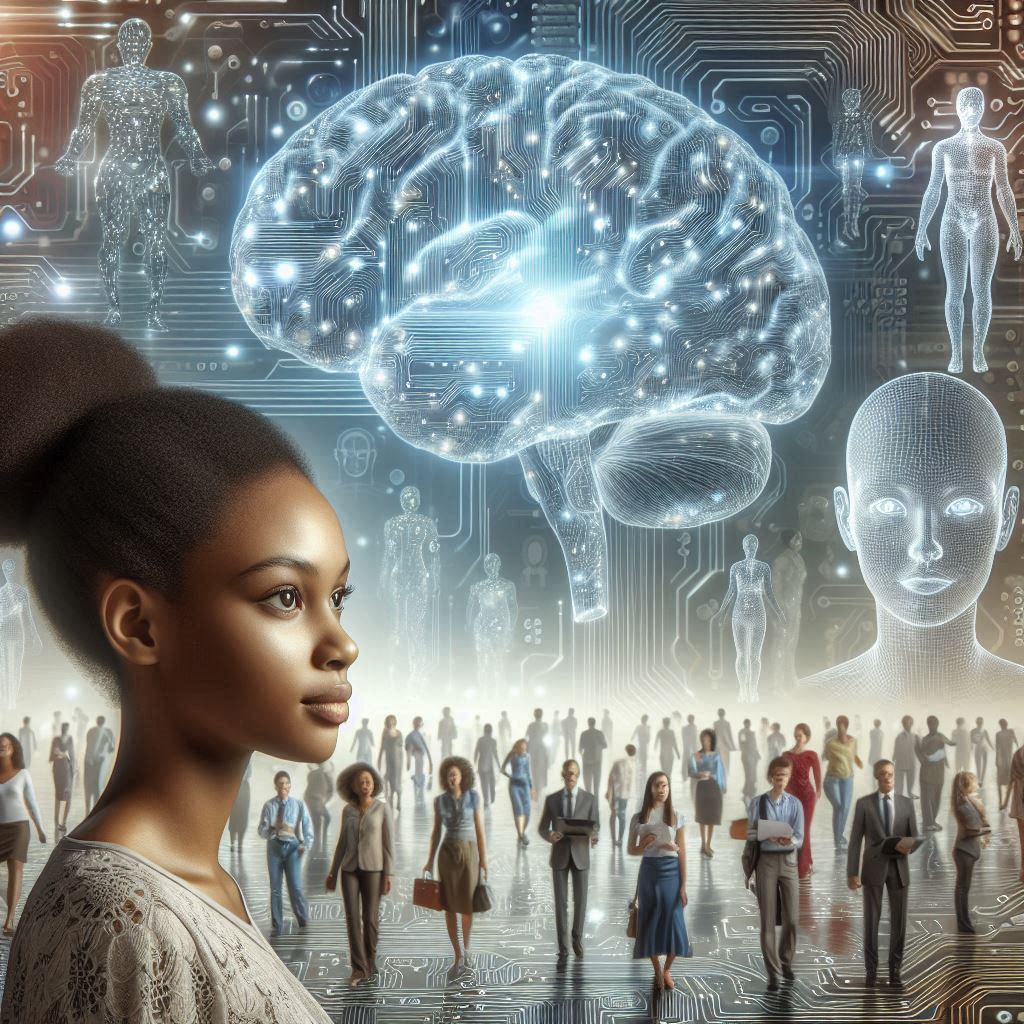
AI generated image of a woman (could be me?) wondering about all the AI hype surrounding human brain and people impact.
Suddenly after all the hype on Artificial intelligence (AI), we are now realizing that over reliance on it is beginning to impact us in ways as usual, we did not take time to review before jumping on the wagon.
AI is no longer just changing how we work, it is quietly reshaping how we think, feel, and cope.
Recent studies are revealing a contradiction; while AI tools like chatbots and digital assistants are helping millions manage stress, loneliness, and productivity, they may also be subtly rewiring our mental habits.
On one hand, people are using AI for emotional support, journaling, and even cognitive behavioral techniques; often reporting reduced anxiety and faster decision-making. In some cases, AI is acting like a 24/7 “mental health companion.”
But the flip side is harder to ignore; impact on our mental health
Researchers are now warning about “cognitive offloading”, a growing tendency to rely on AI for thinking, remembering, and problem-solving. Over time, this may weaken our critical thinking, creativity, and emotional resilience. There’s also concern about “synthetic validation,” where constant agreement from AI systems can reinforce biases rather than challenge them, creating a comfort bubble instead of real growth.
Social Impact of AI over reliance
Even more striking: early data suggests heavy AI users may experience increased social withdrawal, replacing human interaction with frictionless machine conversations.
So what does this mean for us?
AI is not inherently good or bad for mental health, it is amplifying our habits. Used intentionally, it can support reflection, learning, and emotional regulation. Used passively, it risks dulling the very cognitive and social skills that protect mental well-being.
The future of mental health may not depend on how smart AI becomes, but on how consciously we choose to use it.
How to keep your mental health in this AI Era
- Do not forget your regular meditation where you drop all technological tools and just enjoy your silence and quiet moments.
- Exercise your brain by at least doing your own creative thinking and using validated research systems to verify your original thought process.
- Sleep and rest – do not get so addicted to using AI tools that you forget to rest or sleep for 7 to 9hrs for adults or have a quality sleep in general
- Spend time with ‘actual human beings or people’ not; virtual AI persons.
- Drop your phones where we access AI tools most of the time, and just go out and enjoy nature; the fresh air, greens and colourful environment will do your overall health a lot of good.
- Filter, verify, validate the flood of AI information you find on the internet.
- Never, rely on AI tools for your medical or health reviews, go visit your human Healthcare professional – even if your clinic operates a virtual clinic system.
If you prefer videos of my blogs then subscribe to my YouTube Channel: Golden Years Wellness. and for more tips on how to achieve simple Health and Wellness strategies especially for those 50+ , subscribe to this page and visit my website for more unique health and wellness tips and tools.
Cheers and live healthy daily!
 Pat_Health&Wellness Tools
Leave a comment